
Does Hengfeng Support Effective Industrial And Urban Wastewater Treatment?
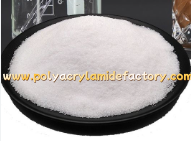
Hengfeng Industrial And Urban Wastewater Treatment often becomes a central focus when facilities seek practical ways to manage liquid discharge more effectively. Operators frequently explore methods that help separate solids from water streams while addressing varying pollution loads from manufacturing processes or municipal collection systems. Such approaches aim to restore clarity to effluents before release or reuse, supporting smoother operations across different scales of activity.
Many plants handle diverse inflows daily. Some streams carry suspended particles that settle slowly, while others include organic materials needing separation. Techniques involving charged polymers encourage clumping so heavier masses drop out more readily during settling stages. The process allows clearer liquid to move forward for additional steps or direct discharge where permitted. Facilities notice how these interactions reduce turbidity and ease downstream handling without requiring extensive infrastructure changes.
Practical benefits emerge in routine use. Polymer additions adapt to fluctuating conditions, whether temperature shifts occur or input composition varies throughout shifts. Dosage remains adjustable based on visual checks or simple jar observations, helping maintain consistent results even during peak periods. Reduced sludge volume often follows, meaning less material to transport or process further. Operators appreciate how the method integrates into existing setups, avoiding major disruptions while improving overall flow.
Environmental considerations influence choices too. Cleaner outflows contribute to healthier receiving waters, whether rivers, lakes, or coastal zones nearby. Plants that recycle treated water back into cooling towers or cleaning operations find value in achieving lower contaminant levels that protect equipment from scaling or fouling. Communities surrounding industrial zones or urban areas benefit indirectly through diminished visible impact on local waterways.
Implementation tends to proceed step by step. Staff receive guidance on mixing procedures to ensure even distribution before contact with wastewater. Gentle agitation prevents breakage of formed flocs, preserving their ability to capture fine particles. Monitoring continues as adjustments refine performance over time. Many facilities report smoother compliance with discharge requirements after incorporating such aids into daily protocols.
Different industries apply these principles in unique contexts. Food processing plants deal with variable organic loads from washing produce or cleaning equipment. Textile operations manage dyes and sizing agents that complicate separation. Municipal systems process household and commercial inflows that fluctuate with population patterns or seasonal changes. Each setting finds value in flexible tools that respond to specific challenges without rigid formulas.
Long-term operation reveals additional advantages. Equipment experiences less wear when solids remain controlled upstream. Pumps move cleaner water with reduced abrasion risk. Settling basins require cleaning less frequently, freeing personnel for other tasks. The overall workflow gains predictability, allowing better planning around maintenance or expansion.
Curiosity about enhanced methods often leads facilities to investigate available options. Exploring how charged agents interact with wastewater opens pathways toward more efficient clarification and solid-liquid separation. Whether the goal centers on meeting regulatory expectations, reducing operational costs, or improving water reuse potential, thoughtful choices make noticeable differences. For insights into how cationic solutions can support these efforts in various settings, visit https://www.polyacrylamidefactory.com/news/industry-news/how-industrial-and-urban-wastewater-treatment-can-improve-with-cationic.html and review practical information tailored to real-world applications.

 English
 Arabic
 French
 Spanish
 Portuguese
 Deutsch
 Turkish
 Dutch
Dutch
 Russian
 Romaian
 Portuguese (Brazil)
 Greek
Greek