
Complete Pool Care for Homes and Commercial Spaces
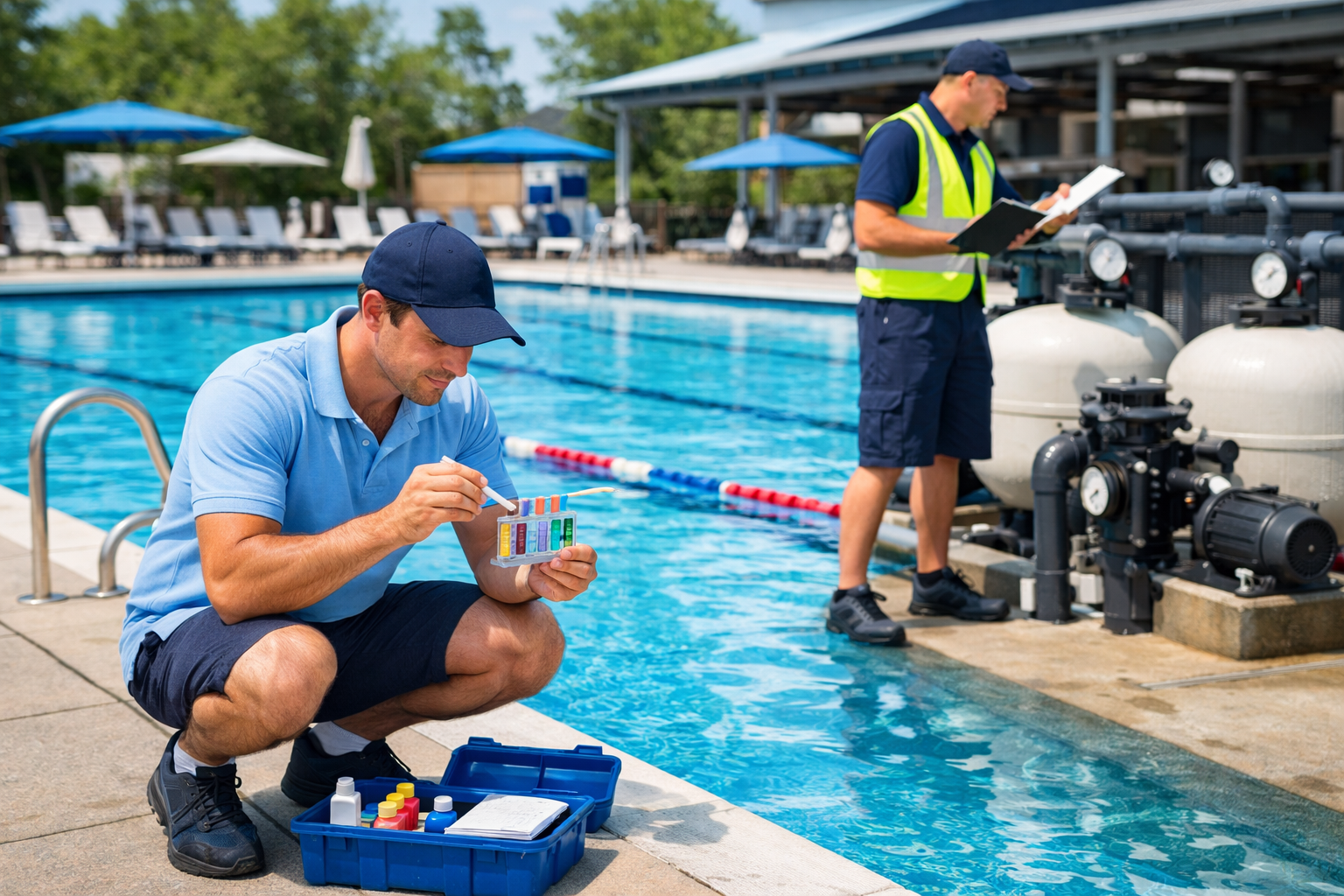
A swimming pool can be the highlight of a home or a powerful amenity for a business. It brings people together, adds value to a property, and creates memorable experiences. But behind every clean, inviting pool is a consistent care routine that keeps the water safe, equipment running smoothly, and the entire space enjoyable year-round.
Complete pool care isn’t just about appearance—it’s about reliability, health, and long-term protection.
Why Consistent Pool Care Matters
Pools are exposed daily to dirt, debris, body oils, weather changes, and heavy usage. Without regular attention, even a well-designed pool can quickly become cloudy, unhygienic, or unsafe. In homes, this can ruin leisure time. In commercial settings, it can impact reputation, guest satisfaction, and compliance.
Proper care ensures water clarity, prevents algae growth, protects surfaces, and keeps systems operating efficiently.
Key Elements of Complete Pool Care
1. Regular Cleaning
Skimming the surface, vacuuming the pool floor, and brushing walls help prevent buildup before it becomes a problem. Clean surroundings also reduce the amount of debris entering the water.
2. Water Quality Management
Balanced water chemistry is essential. Correct pH and sanitizer levels protect swimmers from irritation while stopping bacteria and algae from spreading. Regular testing keeps water comfortable and safe.
3. Filtration and Circulation
Efficient circulation moves water through filters to remove impurities. When filters and pumps are properly maintained, the pool stays clearer and uses energy more efficiently.
4. Equipment Inspection and Care
Pumps, heaters, filters, and plumbing need routine checks. Small issues caught early prevent breakdowns, reduce downtime, and avoid expensive repairs.
5. Seasonal and Usage-Based Adjustments
Pools don’t have the same needs year-round. Weather changes, usage levels, and location all affect maintenance routines. Adjusting care plans keeps pools performing well in every season.
Homes vs. Commercial Spaces: Different Needs, Same Goal
Residential pools focus on comfort, convenience, and family safety. Owners want a clean pool without spending hours on upkeep.
Commercial pools—such as those in hotels, apartments, gyms, and schools—require stricter routines. Higher traffic means faster chemical changes, more wear on equipment, and greater responsibility for safety and hygiene.
In both cases, the goal is the same: a pool that’s always ready to use and pleasant to experience.
The Value of Professional Expertise
Many pool owners start with DIY care, but over time, the process can become overwhelming. Professionals bring experience, consistency, and technical knowledge that’s hard to match. They follow structured maintenance schedules, use precise testing methods, and know how to respond quickly when issues arise.
This level of care saves time, reduces stress, and protects the long-term value of the pool.
Enhancing Experience and Confidence
A well-maintained pool sends a strong message. For homeowners, it shows pride in their space. For businesses, it builds trust and encourages repeat visits. Clean water, well-kept surroundings, and smooth operations create confidence for everyone who steps into the pool.
Conclusion
Complete pool care is about more than keeping water clear—it’s about safety, efficiency, and peace of mind. From routine cleaning and chemical balance to equipment care and seasonal planning, every detail plays a role in long-term performance. Choosing professional swimming pool management services helps ensure pools in both homes and commercial spaces remain clean, reliable, and enjoyable throughout the year.
FAQs
1. How often should a pool be professionally maintained?
Most pools benefit from weekly maintenance, while high-use commercial pools may require daily attention.
2. Can basic pool care be done without professionals?
Simple tasks can be handled by owners, but professional oversight ensures proper balance and equipment health.
3. Why is water testing so important?
It prevents health risks, protects pool surfaces, and keeps the water comfortable for swimmers.
4. Does regular care really reduce costs?
Yes. Preventive maintenance avoids major repairs and extends equipment lifespan.
5. Are care requirements different for commercial pools?
Yes. Higher usage and safety standards require more frequent checks and structured routines.

 English
 Arabic
 French
 Spanish
 Portuguese
 Deutsch
 Turkish
 Dutch
Dutch
 Italiano
 Russian
 Portuguese (Brazil)
 Greek
Greek