
Why Ramadan Umrah Is the Best Investment for Your Soul: Benefits You Didn’t Know
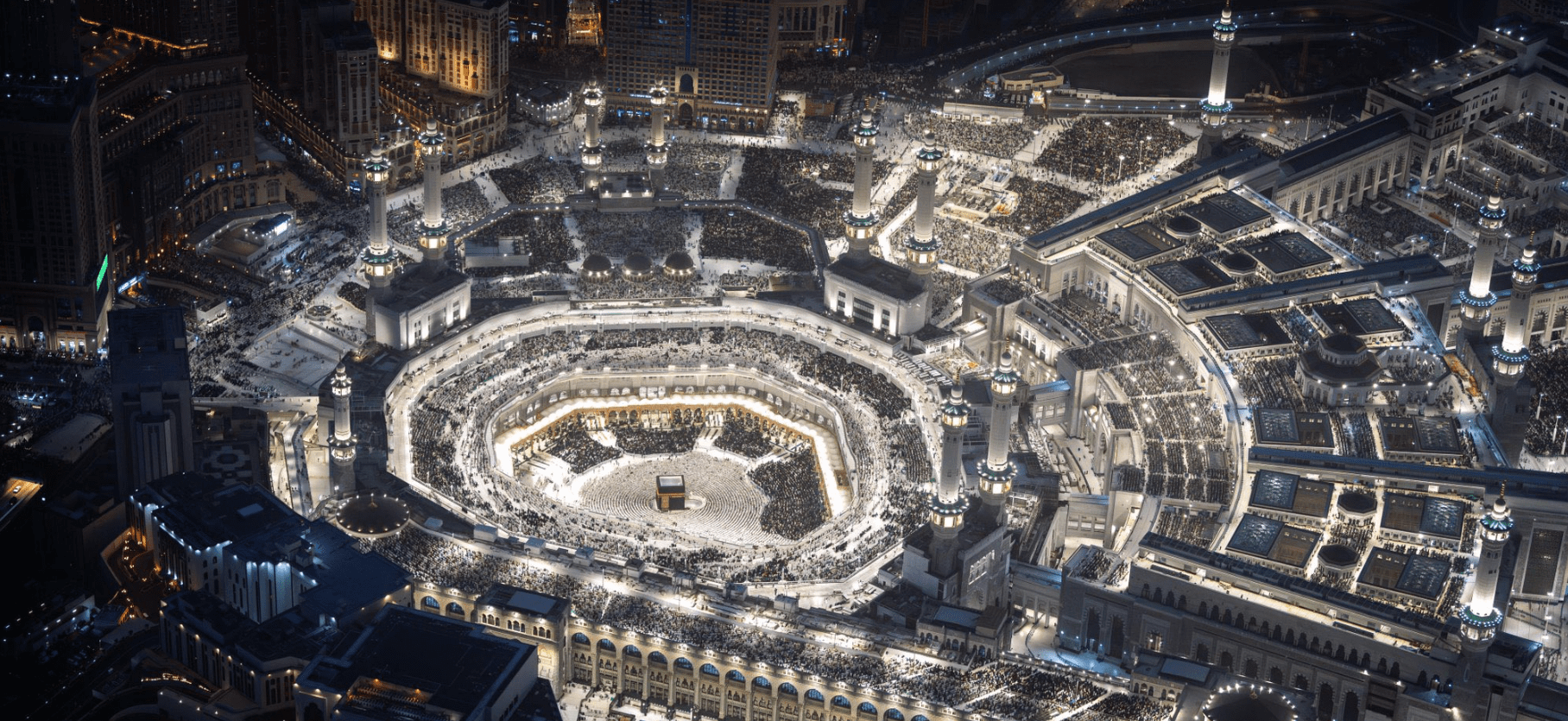
Performing Umrah during Ramadan is widely regarded as one of the most spiritually rewarding acts a Muslim can undertake. While the pilgrimage itself is deeply significant, combining it with the sacred month of Ramadan amplifies its benefits exponentially. Millions of believers around the world seize this opportunity each year to strengthen their faith, renew their spiritual energy, and experience a transformative journey that goes beyond physical travel.
If you’ve ever wondered why Ramadan Umrah is considered the best investment for your soul, this guide will explore the spiritual, psychological, and practical benefits that most pilgrims are unaware of, helping you make an informed decision for 2026 and beyond.
The Spiritual Significance of Ramadan Umrah
Ramadan, the ninth month of the Islamic calendar, is a time for fasting, reflection, and heightened devotion. Performing Umrah during this month is believed to carry special merit. The Prophet Muhammad (PBUH) said that Umrah during Ramadan is equivalent to performing Hajj with him, highlighting the unparalleled spiritual reward.
Why Ramadan Umrah enhances spiritual growth:
- Amplified Rewards: Acts of worship during Ramadan, including prayer, charity, and recitation of the Quran, carry multiplied rewards. Pilgrims performing Umrah in this period receive blessings both from the rituals of the pilgrimage and from Ramadan itself.
- Renewal of Faith: Standing in the sacred precincts of Masjid al-Haram and Masjid an-Nabawi encourages reflection, repentance, and reconnection with Allah. Many pilgrims experience profound spiritual clarity that lasts long after returning home.
- Intense Worship Atmosphere: The combination of fasting, night prayers (Taraweeh), and communal Iftar creates a spiritually charged environment that deepens devotion and encourages mindfulness.
Psychological and Emotional Benefits
While the spiritual benefits are evident, Ramadan Umrah also offers profound psychological and emotional advantages. These benefits are often overlooked but are crucial for holistic well-being.
1. Mental Clarity and Reflection
The pilgrimage involves periods of walking, praying, and meditation, providing time to disconnect from daily stress. Ramadan’s fasting schedule encourages mindfulness, making it easier to focus on spiritual and personal reflection.
2. Emotional Bonding
For those travelling with family, Ramadan Umrah strengthens bonds through shared rituals, collective prayers, and moments of gratitude. This emotional connection enhances both familial and spiritual satisfaction.
3. Stress Relief and Peace
The physical act of pilgrimage, combined with spiritual practice, acts as a form of meditation. The structured rituals, collective worship, and serene environment reduce anxiety, improve emotional balance, and bring inner peace.
Lesser-Known Benefits of Ramadan Umrah
Beyond the widely acknowledged spiritual and emotional rewards, Ramadan Umrah offers several hidden benefits that can significantly impact your life and faith.
1. Strengthening Personal Discipline
Fasting during Ramadan combined with the rigorous schedule of Umrah instills discipline in daily routines. Pilgrims learn to manage time effectively, maintain regular prayers, and control desires, translating to better personal and professional life discipline.
2. Increased Gratitude and Humility
Experiencing the vast crowds of pilgrims, the simplicity of life during travel, and witnessing the historical sites of Islam fosters humility. Pilgrims often leave with a renewed sense of gratitude for life, health, and opportunities.
3. Opportunity for Reflection on Life Purpose
Being in Mecca and Medina encourages deep contemplation about life’s priorities, moral choices, and spiritual goals. Many pilgrims report life-changing realisations and improved perspectives on personal challenges.
4. Community and Global Unity
Ramadan Umrah allows pilgrims to connect with Muslims from all over the world. This exposure to diverse cultures, languages, and practices enhances understanding and reinforces the global unity of the Islamic community (Ummah).
Practical Benefits: Health and Routine
Interestingly, performing Umrah during Ramadan also has practical benefits that indirectly nourish the soul through better physical and mental health.
- Physical Activity: Pilgrimage involves walking long distances during Tawaf and Sa’i, promoting cardiovascular health and stamina.
- Fasting Benefits: Intermittent fasting during Ramadan is linked to improved metabolism, mental clarity, and detoxification.
- Balanced Routine: Structured schedules for prayers, fasting, meals, and rest improve daily rhythm, leading to long-term habit formation.
These practical advantages complement spiritual growth, making the pilgrimage a holistic investment in both soul and body.
Tips for Maximising the Benefits of Ramadan Umrah
To truly reap the spiritual and practical rewards, careful planning and preparation are essential. Here’s how to maximise your experience:
1. Choose the Right Package
Select a Ramadan Umrah package that suits your needs, whether travelling solo, with family, or in a group. Consider hotel proximity to Masjid al-Haram, transportation arrangements, and included services like guided rituals, meals for Suhoor and Iftar, and health support.
2. Prepare Spiritually
- Learn the correct rituals and supplications of Umrah.
- Set personal spiritual goals, such as completing Quran recitation or regular prayers.
- Engage in acts of charity before and during travel.
3. Prepare Physically
- Walking long distances requires stamina; light exercises and walking practice help.
- Adapt your diet and fasting routine ahead of travel.
- Pack essentials for comfort, including prayer mats, comfortable clothing, and hydration options.
4. Engage Fully in the Experience
- Participate in Taraweeh prayers and communal Iftar.
- Reflect on the historical and spiritual significance of sites like Kaaba, Masjid al-Haram, and Masjid an-Nabawi.
- Journal your experiences to reinforce lessons learned and spiritual growth.
Cultural and Historical Enrichment
Ramadan Umrah is also an opportunity to immerse yourself in Islamic history and culture:
- Historical Sites: Visit Quba Mosque, Mount Uhud, and Medina’s Prophet’s Mosque for context on Islamic heritage.
- Cultural Insights: Observe Ramadan traditions in Saudi Arabia, such as communal Iftar, charity initiatives, and local markets.
- Learning Through Experience: Understanding the historical and cultural significance enhances spiritual depth, making the pilgrimage more meaningful.
Investing in Your Soul: The Long-Term Perspective
Unlike material investments, Ramadan Umrah is an investment with eternal returns. The spiritual benefits endure long after the pilgrimage, influencing daily life, habits, and relationships:
- Strengthened faith and connection to Allah.
- Improved mental clarity and emotional resilience.
- Deeper family bonds and enhanced sense of community.
- Renewed life purpose and personal reflection.
From a practical and spiritual standpoint, every moment, prayer, and sacrifice during Ramadan Umrah is a lasting deposit into the wealth of your soul.
Conclusion
Performing Ramadan Umrah is far more than a travel experience—it is an unparalleled opportunity to nurture your soul, strengthen faith, and enrich your life spiritually, emotionally, and practically. The combination of fasting, worship, historical immersion, and family or community connection makes it one of the most rewarding acts a Muslim can undertake.
Whether it is the amplified spiritual rewards, the psychological benefits, the discipline it instills, or the sense of unity with the global Ummah, Ramadan Umrah is indeed the best investment for your soul. By planning thoughtfully, preparing physically and spiritually, and embracing the rich cultural and historical aspects, you can maximize these benefits and create a transformative experience that resonates for a lifetime.

 English
 Arabic
 French
 Spanish
 Portuguese
 Deutsch
 Turkish
 Dutch
Dutch
 Italiano
 Russian
 Portuguese (Brazil)
 Greek
Greek