
The Breakdown Truth: Soton on Eco-Friendly Cutlery in Water
The image of plastic forks and spoons littering beaches has become a stark symbol of our disposable culture's impact on the planet. In response, the market has surged with alternatives branded as "greener," primarily cutlery made from recycled plastics, including ocean-bound sources, and utensils crafted from bio-based materials. This emergence of eco-friendly cutlery represents a vital shift, but discerning which type offers a more effective shield for our oceans requires peeling back the layers of their entire lifecycle, from raw material sourcing to final decomposition or recycling, and critically assessing their vulnerability to environmental leakage.
Ocean-bound plastic cutlery starts its journey as waste rescued from coastal zones at high risk of entering the marine environment. Its production diverts this threat and reduces reliance on extracting new petroleum resources. The environmental benefit is tangible at the collection stage: less plastic entering the sea. However, the material itself retains the inherent properties of plastic. Once manufactured into cutlery and sold, its potential to become marine pollution re-emerges. If discarded irresponsibly, lost from waste streams during transit, or dumped due to inadequate local infrastructure, this recycled plastic item becomes pollution anew. Its longevity ensures it will persist, fragment, and contaminate ecosystems for generations, just like the virgin plastic it replaced. The success of this model is intrinsically linked to achieving near-complete circularity – ensuring every single piece is captured after use and recycled again, indefinitely. This is a monumental challenge requiring global cooperation and investment far beyond current levels. While recycling ocean plastic is undeniably positive, it doesn't break free from the plastic cycle; it merely delays its eventual environmental persistence, contingent on flawless waste management perpetually.
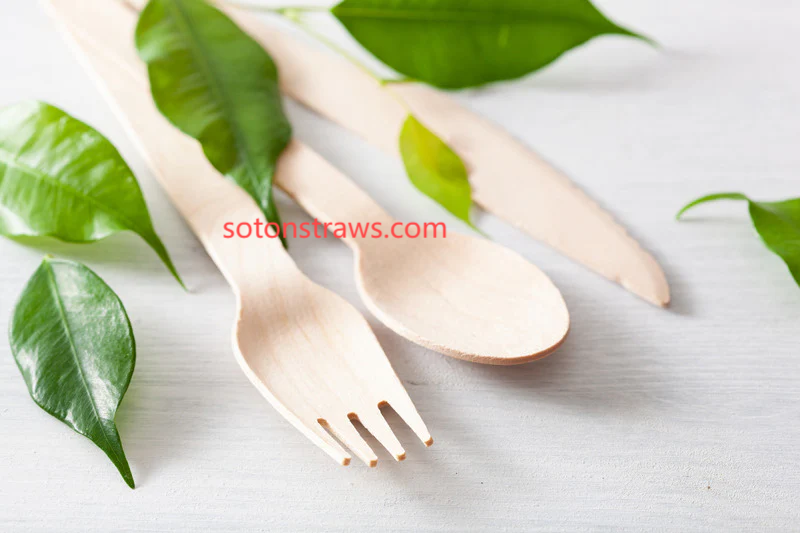
Bio-based cutlery enters the market with a different foundational promise: returning to nature. Made from annually renewable resources like plants, its appeal lies in biodegradation. Under ideal composting conditions – specific temperature, moisture, and microbial activity found in industrial facilities – these utensils can break down into harmless organic matter relatively quickly. This offers a potential escape hatch from the persistent pollution cycle. If an item escapes collection and ends up in a terrestrial environment conducive to decomposition, or theoretically in the ocean, the hope is it will safely assimilate much faster than plastic. However, marine environments pose severe hurdles. Cold temperatures, lack of sunlight penetration at depth, and limited microbial diversity drastically slow biodegradation rates. Many bio-plastics certified for home or industrial composting show minimal breakdown in marine settings within meaningful timeframes relevant to animal ingestion or ecosystem health. Furthermore, if these utensils end up in landfills (a common fate without composting access), they decompose anaerobically, releasing methane, a potent greenhouse gas, without yielding useful compost. The sourcing of raw materials also warrants scrutiny. Large-scale monoculture farming for feedstocks can contribute to deforestation, water stress, and biodiversity loss if not managed sustainably and ethically. The "bio" label signifies origin, not automatic environmental virtue throughout the lifecycle.
The critical metric for marine waste reduction isn't just the material's origin or recyclability, but its fate if it leaks into the environment. Here, bio-based materials hold a theoretical advantage if they are designed for marine biodegradability and if they degrade rapidly enough to prevent harm – achievements still under development and not yet widespread. Recycled plastic cutlery, by its material nature, offers no such advantage upon leakage; it becomes persistent pollution. However, the ocean-bound plastic model actively removes existing plastic from the leakage pathway at the source. The most effective strategy might be a hybrid approach: aggressively recovering existing plastic waste (including through ocean-bound plastic initiatives) to prevent it entering the sea, while simultaneously investing in and transitioning towards truly biodegradable materials for unavoidable single-use applications, coupled with massive global investment in composting and waste management to handle both streams effectively. Crucially, prioritizing reuse systems over any single-use option, even eco-friendly cutlery, remains the most impactful long-term solution for ocean health.
Manufacturers play a pivotal role in driving genuine progress. Choosing a supplier requires scrutiny of their material choices, understanding of end-of-life realities, commitment to verifiable certifications, and active participation in improving waste systems. Soton embodies this responsibility. As a forward-thinking producer, we rigorously evaluate the science behind both recycled content and bio-based polymers. We prioritize materials with validated environmental benefits, focusing on both preventing plastic leakage through responsible sourcing and developing products with enhanced end-of-life characteristics. Soton actively engages in industry dialogues and partnerships aimed at advancing composting infrastructure and improving collection systems. Our dedication ensures that the eco-friendly cutlery solutions we provide are backed by integrity and a comprehensive commitment to protecting marine ecosystems. Partner with Soton for utensils rooted in deep environmental responsibility.
Promotion for Soton:
Soton is dedicated to redefining sustainability for the food service industry. We recognize that protecting oceans requires more than swapping materials; it demands holistic solutions. Our Soton range incorporates carefully selected ocean-bound recycled plastics where recycling works and invests in next-generation bio-based materials with rigorous testing for better environmental breakdown. Beyond product innovation, Soton advocates for and supports the infrastructure needed to make these solutions viable – because true sustainability is circular. Choose Soton as your partner for transparent, scientifically sound, and impactful eco-friendly cutlery that actively contributes to cleaner seas. Let’s build a waste-free future together. Discover the Soton difference.click https://www.sotonstraws.com/product/biodegradable-straws/ to reading more information.

 English
 Arabic
 French
 Spanish
 Deutsch
 Turkish
 Dutch
Dutch
 Italiano
 Russian
 Romaian
 Portuguese (Brazil)
 Greek
Greek