
Residential Elevators vs Stair Lifts: Which One Fits Your Home Best?
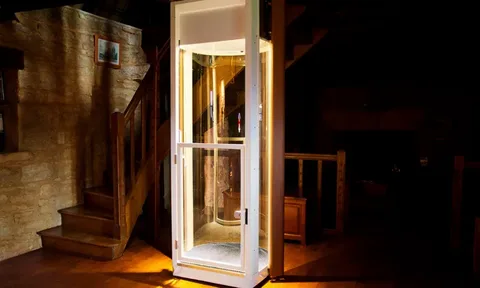
Table of Contents
-
Introduction to Home Mobility Solutions
-
Understanding Residential Elevators
-
Understanding Stair Lifts
-
Feature Comparison
-
Cost Breakdown
-
Design & Space Needs
-
Safety & Accessibility
-
Best Option for Seniors
-
Installation & Maintenance
-
Home Value Impact
-
Final Verdict
Introduction to Home Mobility Solutions
Let’s be honest—stairs can slowly turn from a daily habit into a daily challenge. Whether you’re planning for aging in place, supporting a loved one, or simply upgrading your home for comfort, mobility solutions are no longer a luxury—they’re a necessity.
Two popular options dominate the conversation: residential elevators and stair lifts. Both serve the same goal—moving between floors safely—but they do it in very different ways. Choosing between them can feel like deciding between a compact car and an SUV. Same destination, different experience.
So which one fits your home best? Let’s break it down.
What Are Residential Elevators?
Residential elevators are fully enclosed vertical lift systems designed specifically for private homes. Think of them as a personal elevator—quiet, smooth, and designed to blend into your living space.
How Residential Elevators Work
A home elevator moves vertically through a shaft using hydraulic, traction, or pneumatic systems. Unlike commercial elevators, they’re customized for residential use, smaller spaces, and lower traffic.
Why Homeowners Choose Residential Elevators
-
Seamless floor-to-floor access
-
Ideal for wheelchairs and walkers
-
Adds long-term value to your home
-
Perfect for multi-story living
In Canada, residential elevators are becoming increasingly popular, especially in Ontario, where aging homeowners want to stay in their homes longer.
What Are Stair Lifts?
Stair lifts are mechanical chairs that travel along a rail mounted to your staircase. They’re simple, practical, and designed primarily for seated users.
How Stair Lifts Function
You sit, buckle up, press a button—and glide up or down the stairs. It’s like riding a slow-moving escalator, but just for you.
Why Stair Lifts Are Chosen
-
Lower upfront cost
-
Minimal home modification
-
Quick installation
-
Ideal for short-term mobility needs
They’re often the first solution people consider when stairs become difficult.
Key Differences at a Glance
| Feature | Residential Elevators | Stair Lifts |
|---|---|---|
| Accessibility | Wheelchair-friendly | Limited |
| Home Value | High impact | Minimal |
| Design Options | Custom finishes | Basic |
| Comfort | Standing or seated | Seated only |
Cost Comparison and Budget Planning
Let’s talk money—because cost matters.
Residential Elevator Cost
The residential elevator cost in Canada typically ranges from moderate to high depending on:
-
Number of floors
-
Elevator type
-
Custom finishes
-
Installation complexity
While the upfront investment is higher, many homeowners see it as a long-term upgrade.
Stair Lift Cost
Stair lifts cost significantly less initially. However, they may require replacement if mobility needs change.
Cost Comparison Table
Cost Comparison Overview
| Option | Average Cost Range | Long-Term Value |
|---|---|---|
| Residential Elevator | Higher upfront | High |
| Stair Lift | Lower upfront | Moderate |
Design, Space, and Installation Requirements
Residential Elevators
Modern home elevators come in sleek designs that integrate beautifully with interiors. From glass walls to minimalist finishes, they can look like a design feature—not a medical device.
They do require:
-
A shaft or hoistway
-
Professional installation
-
Planning during renovation or construction
Stair Lifts
Stair lifts take up minimal space but remain visible. The rail runs along your staircase, which may affect aesthetics—especially in open-concept homes.
Safety, Comfort, and Accessibility
Safety Features of Residential Elevators
-
Emergency stop buttons
-
Backup power
-
Smooth start and stop
-
Spacious cabins
Safety Features of Stair Lifts
-
Seat belts
-
Obstruction sensors
-
Swivel seats
While both are safe, residential elevators offer more freedom and comfort, especially for users with mobility aids.
Choosing the Right Option for Seniors
For seniors, the decision often comes down to current vs future needs.
-
Stair lifts are great for short-term or mild mobility issues
-
Residential elevators support aging in place long-term
If wheelchair access or caregiver assistance is expected, elevators win—hands down.
Installation Process and Timeline
Residential Elevator Installation
Installation takes longer and requires coordination with elevator contractors near you. However, professional installers handle everything—from permits to final testing.
Stair Lift Installation
Most stair lifts can be installed within a day. No major renovations required.
Maintenance and Long-Term Value
Residential elevators require routine servicing but offer durability and reliability over decades. Stair lifts may need part replacements over time, especially with heavy use.
Think of it like this:
-
Stair lift = short-term solution
-
Residential elevator = lifetime investment
Which Option Adds More Home Value?
If resale value matters, residential elevators clearly outperform stair lifts. Buyers increasingly see elevators as a premium feature—especially in multi-story homes.
In contrast, stair lifts are often removed before selling.
Final Verdict: Making the Right Choice
Choosing between residential elevators and stair lifts isn’t about right or wrong—it’s about fit.
If you want:
-
Long-term accessibility
-
Wheelchair support
-
Better home value
-
Seamless design
👉 Residential elevators are the clear winner.
If you need:
-
Quick installation
-
Lower upfront cost
-
A short-term solution
👉 A stair lift may be enough.
Your home, your lifestyle, your future—choose accordingly.
Frequently Asked Questions
1. Are residential elevators worth the cost?
Yes. While the initial investment is higher, they offer long-term accessibility, comfort, and increased property value.
2. Can residential elevators be installed in existing homes?
Absolutely. Many modern systems are designed specifically for retrofitting existing homes.
3. Do stair lifts work for wheelchairs?
No. Stair lifts are designed for seated users and are not wheelchair accessible.
4. How long does installation take?
Stair lifts can be installed in a day, while residential elevators typically take several weeks.
5. Which option is better for seniors aging in place?
Residential elevators provide greater flexibility, safety, and independence over time.
Sponsored article: itakhost

 Arabic
 French
 Spanish
 Portuguese
 Deutsch
 Turkish
 Dutch
Dutch
 Italiano
 Russian
 Romaian
 Portuguese (Brazil)
 Greek
Greek